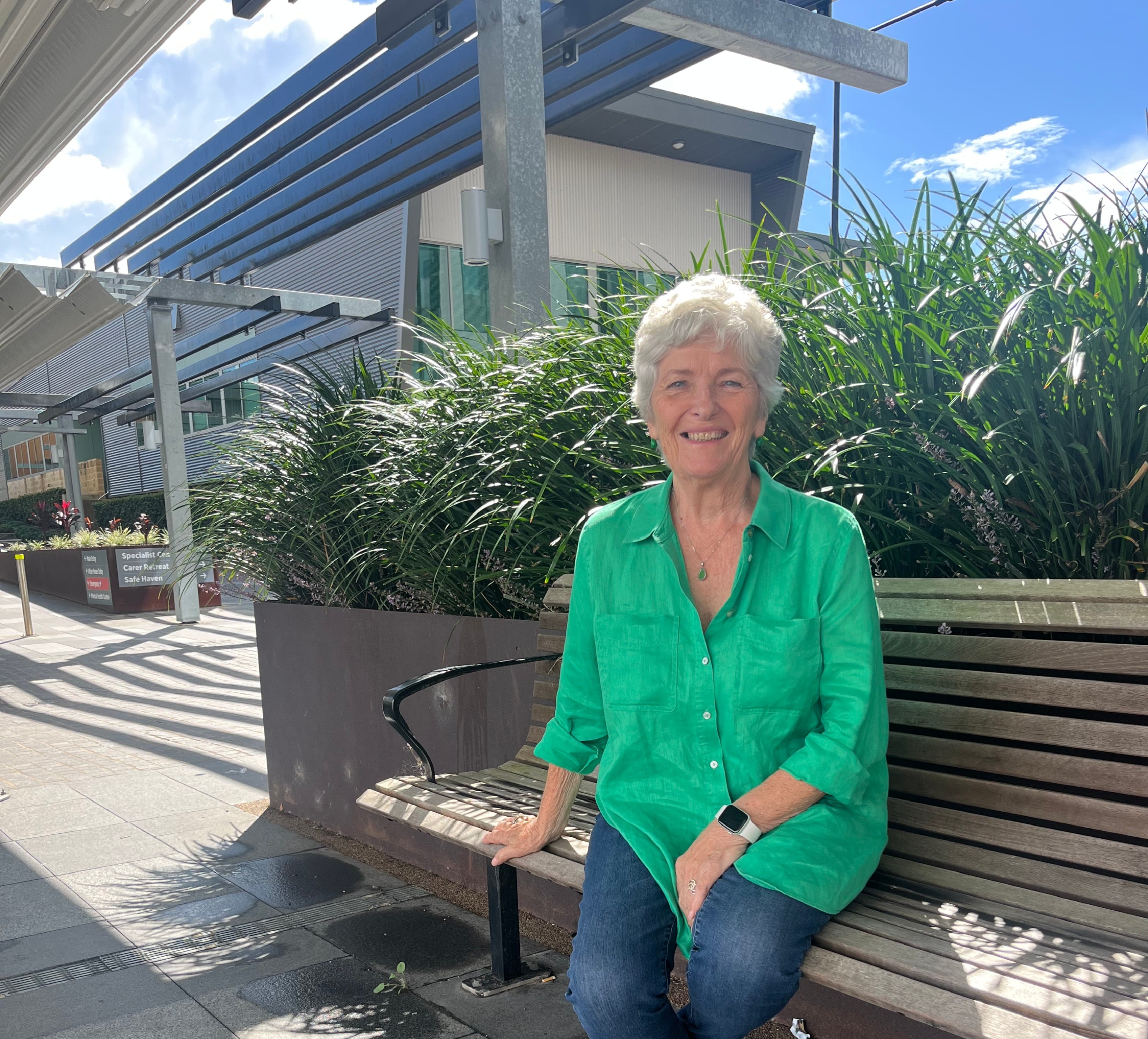
Can you describe what happened on the day of your fall and what was going through your mind at the time?
Well, it happened at home while we were renovating the kitchen. My husband had gone in for day surgery and I was at a loose end, so I thought I’d take the opportunity to clean out the cupboards. I grabbed our very old stepladder, put it on the tiled floor, and climbed up to get the dinner set out of the top cupboard. What I didn’t realise was that the shelf wasn’t fixed properly. As I pulled the dinner service forward, the shelf tipped, everything came towards me, and I tried to catch it. That’s when I overbalanced. The ladder slid, I went flying across the floor, and I hit my hips, shoulders, and head on the cupboards. Plates shattered all around me. I didn’t black out, but I was completely stunned and just kept thinking, ‘Oh my heavens, what have I done? I must have done some serious damage.’
What specific advice or tips do you remember using during and after your fall?
The main thing I remember was telling myself not to move. I stayed very still because I remembered hearing that you shouldn’t rush to get up after a fall, especially if you’ve hit your head. I tried to calm myself and waited to see where the pain might come from. This was something I learnt through the Healthy Bites radio segments. I was also very aware that there was broken glass everywhere and I didn’t have shoes on. Once I felt steady enough, I rang my daughter straight away, just in case I passed out.
How do you think things might have turned out differently if you weren’t aware of falls prevention advice beforehand?
If I hadn’t had that knowledge in the back of my mind, I probably would have tried to get up straight away, even with glass all around me. I might have made things much worse. Being aware helped me recognise that it was actually quite a serious fall, especially because I was home alone. If I hadn’t called my daughter, no one would have known for hours.
What was your recovery like afterward, and did the way you handled the fall make a difference?
I ended up being taken to emergency, much to my protest, and they were absolutely wonderful. They scanned my head and checked everything because at my age, there’s a risk of brain injury even if you feel okay. I didn’t break any bones, which I’m very proud of, but I was very sore, especially my neck, and I still have some muscle pain there. I really do think staying still, getting help quickly, and being properly checked made a big difference.
How has this experience changed your confidence or behaviour in relation to falls prevention?
It definitely made me realise how vulnerable I actually am. I’ve always been very confident and just ‘got on with things’, but this was a wake-up call. My balance and reflexes aren’t what they used to be. My grandson has completely removed the ladder from the house, and my husband now insists on helping me with anything like that. It’s also made me think seriously about getting stronger, especially in my legs, and being more consistent with exercise.
What message would you share with others who might not realise the importance of learning about falls prevention before something happens?
I’d say don’t assume it won’t happen to you. Falls don’t just happen to elderly people. I’ve seen younger family members and colleagues have serious falls with long-lasting consequences. You only need one bad fall to change everything. Don’t take your mobility or independence for granted – be aware and do what you can to prevent it before something happens.
Has this experience encouraged you to have a chat with friends or family about falls prevention, and what kinds of conversations have you started?
Yes, absolutely. I talk about it all the time now. I’m always pointing out trip hazards like mats, loose leads, stairs without rails, and cluttered walkways. I tell people to use the handrails and not be embarrassed about it. I also talk about the stigma around walking sticks or frames – they’re not a sign of failure, they’re a way to stay independent and safe. I’d much rather see someone use a support than end up on the floor.
Like Ann, one fall can be a wake‑up call, but building strength and balance now can make all the difference. Staying active is one of the best ways to protect your independence, and with the Central Coast experiencing falls-related hospitalisations higher than the state average, it’s particularly important for our community.
Explore simple, safe and proven activities designed for older adults via the Active & Healthy website: https://www.activeandhealthy.nsw.gov.au
For more healthy ageing tips, visit: Healthy Ageing – Central Coast Health Promotion Service