Wellbeing at High School
A digital guide for parents, carers and kin.
Social Media

Screen Time

Gaming

Online Safety


It Takes a Village: Supporting Young People
Hear local experts discuss issues such as school refusal, vaping, self‑harm, anxiety, and social media.
Strategies to help young people manage anxiety in their first years of high school
Build confidence in responding to their needs and strengthening their wellbeing.
Parent Mental Health Masterclass
Explore topics like anxiety, challenging behaviours, depression, and responding to risk or distress.

Mental Health and Wellbeing
- headspace – a FREE mental health service for young people between the ages of 12 to 25. There are three locations on the Central Coast – Gosford, Lake Haven and Wyong.
- Medicare Mental Health Kids Hubs, Central Coast – FREE support children aged 0–12 with mild to moderate developmental, emotional, relational or behavioural concerns, and offer guidance for families, carers and kin.
- NSW Mental Health Line (FREE) – for young people with more severe mental health concerns requiring support from health professionals.
- The Brave Program - a FREE 10-session online program to help young people manage anxiety.
- Smiling Mind - a FREE app for guided mindfulness activities.
- YourCrew app – a FREE app for young people to ask for help.
Healthy Habits
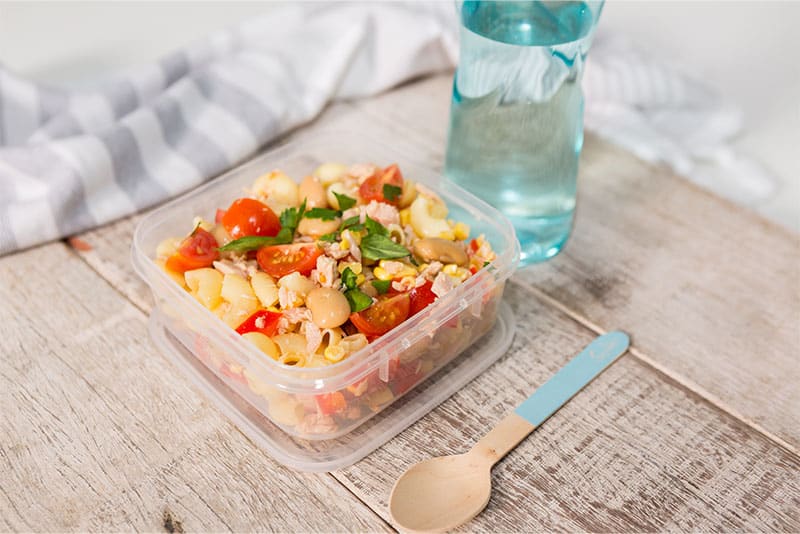
Food: Prioritise regular, balanced meals
A mix of fruits, vegetables, whole grains and protein across the day help stabilise energy, support concentration, and regulate mood. Teens who eat regularly, especially breakfast, tend to cope better with stress and stay more engaged in school.
Movement: Encourage movement every day, in ways they enjoy
Physical activity improves sleep, reduces stress, and lifts mood. It doesn’t always need to be structured sport – walking, skating, dancing, riding, or short bursts between study all count and help teens feel more grounded.
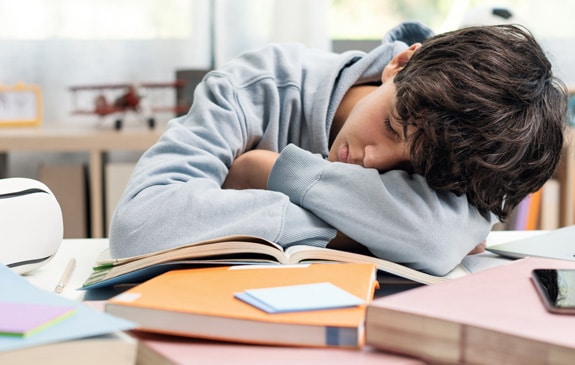
Sleep: Protect a consistent sleep routine
Young people do best when they get 8 -10 hours of sleep each night. Good sleep supports mental wellbeing and helps teens stay energised and ready to learn.
- Keep wake-up times on school days and weekends within two hours of each other.
- Avoid screens an hour before bed.
- Eat dinner at a time that helps you avoid going to bed too hungry or too full.
Ideas for affordable, nourishing meals and snacks.
Short, practical tips for teens and families, including snacks, after‑school eating, and navigating busy schedules.
Evidence‑based guidance for adolescents, including balanced eating patterns and food group examples.
Most teenagers need 8-10 hours of sleep each night. Some need as little as 7 hours or as much as 11 hours.

Healthy eating with no money no time.

Drinking plenty of water helps young people stay energised, focused, and feeling their best throughout the day.

Teenagers tend to go to bed later & have less regular sleep – there are things you can do to help maintain good sleep habits.
Physical Activity
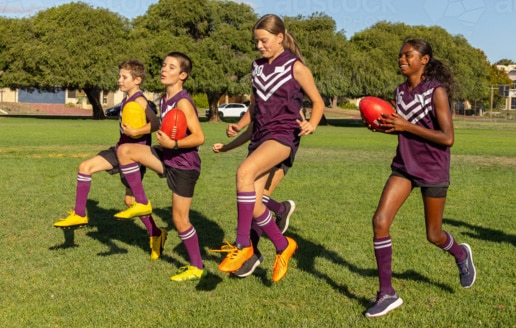
Being active through movement is incredibly beneficial for adolescents, not only for their physical growth, but also for developing social skills, building emotional resilience and enhancing cognitive abilities in school.
- It is recommended that teens participate in at least 60 minutes a day of moderate to vigorous physical activity that makes your heartbeat faster. This can be in one session or several shorter ones throughout the day.
- On at least 3 days, this should include activities that strengthen muscle and bone, such as running, climbing, push-ups, sit-ups, lifting weights and yoga.
Free local activities
Street Gym
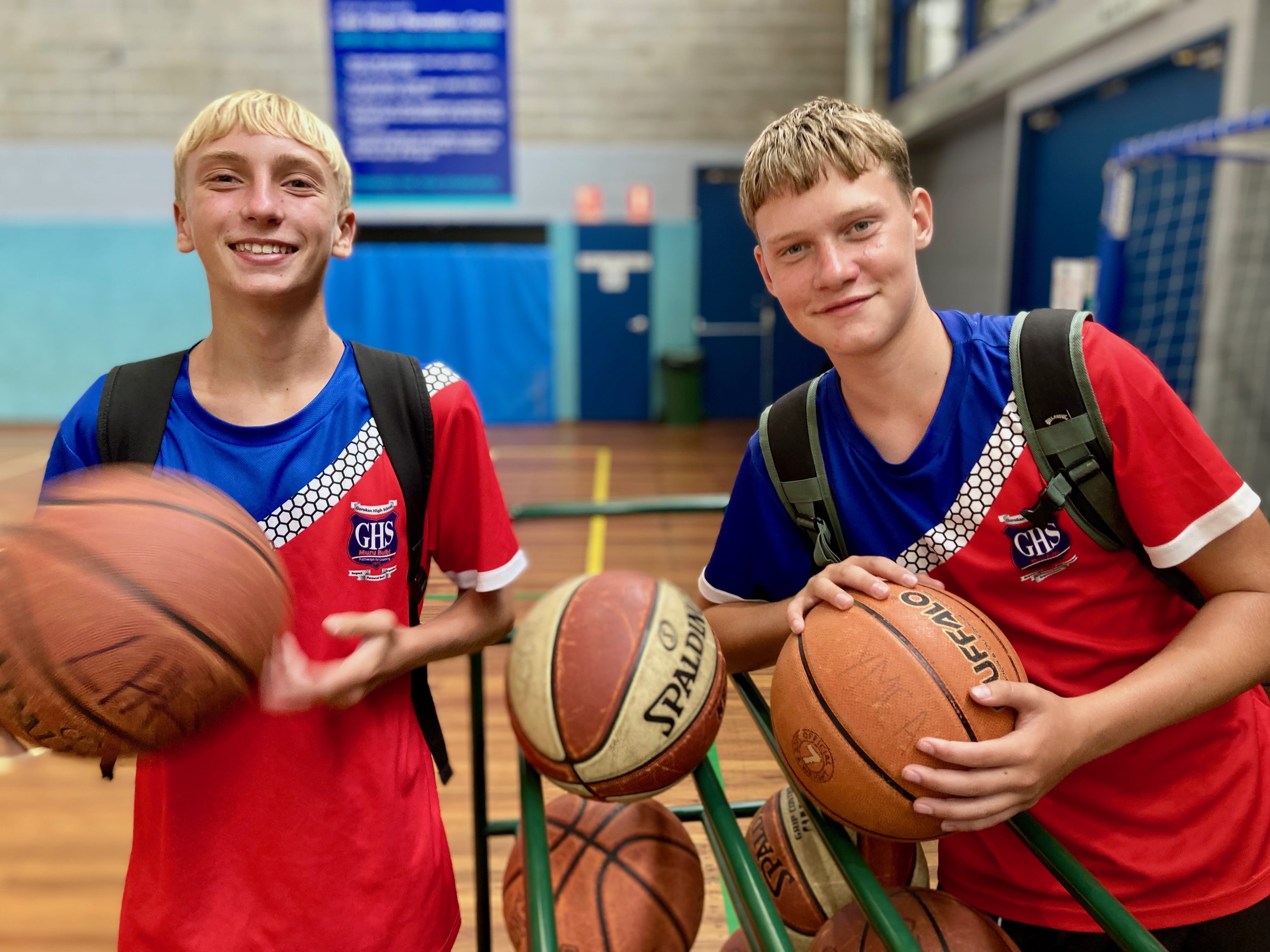
Fit for Life

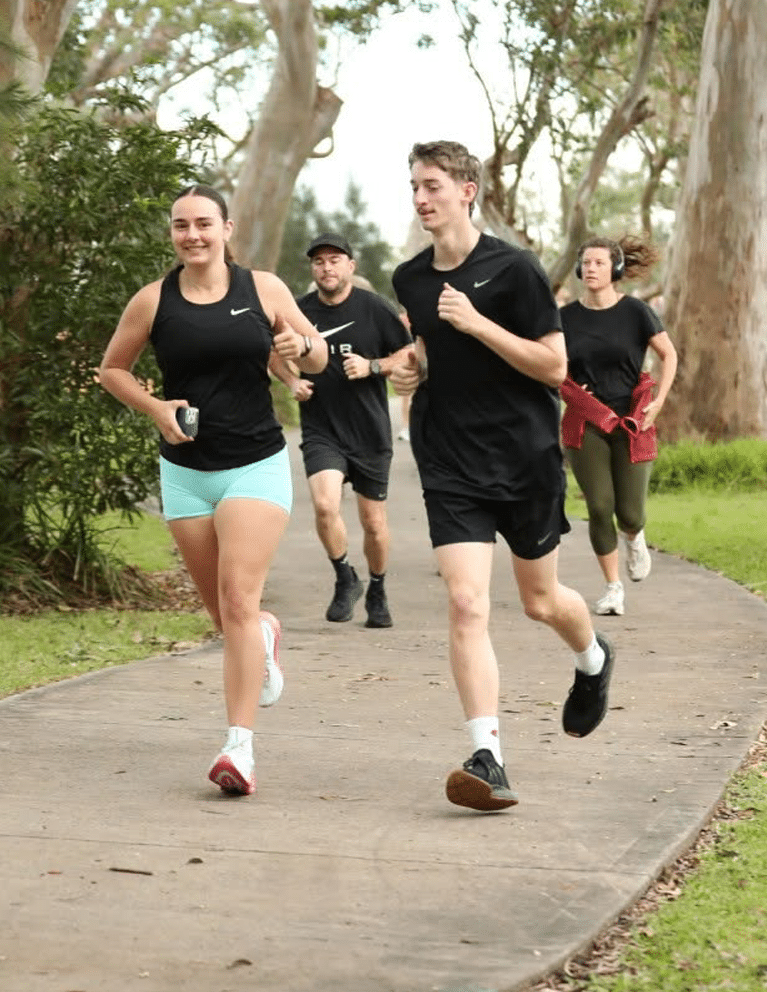
parkrun
Pickleball

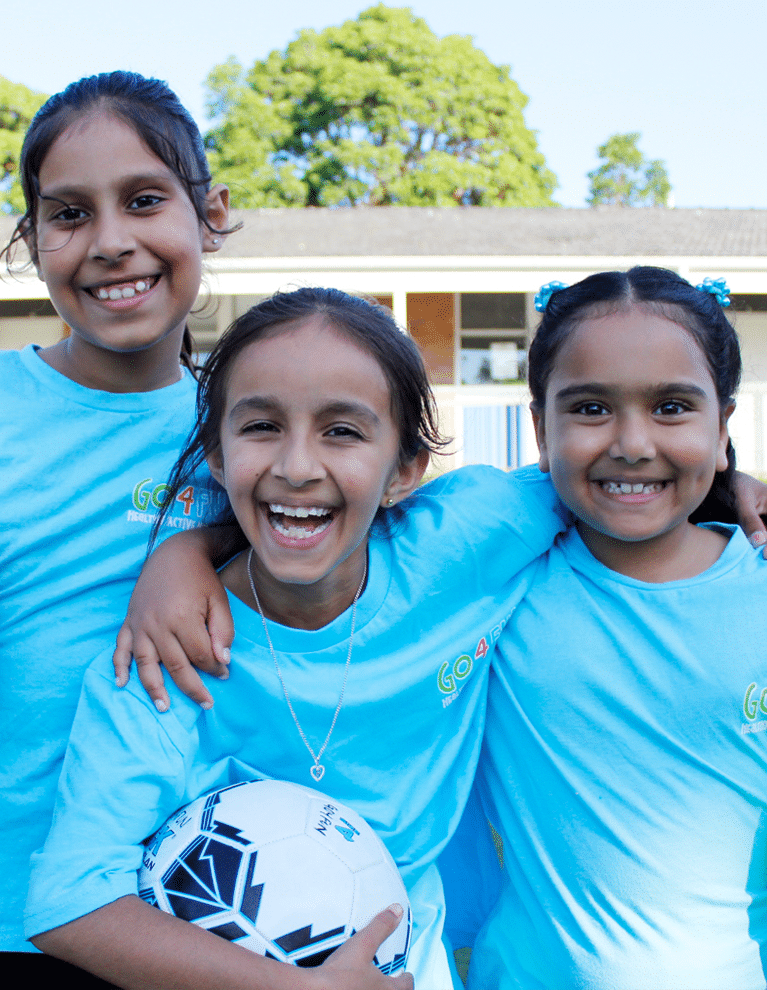
Go4Fun
Vaping
Vapes and other nicotine products continue to be marketed to young people, despite containing harmful chemicals and highly addictive nicotine.
Vapes are proven to cause real harm and affect lung health. Taking steps towards helping teens quit vaping isn’t easy but the end goal is worth it.
Tips for starting a conversation:
- Keep communication open and calm.
- Be clear and honest about the risks.
- Help them plan how to respond if offered a vape or other nicotine product.
- Ask what support they need and how you can help.


Alcohol
Making safe choices

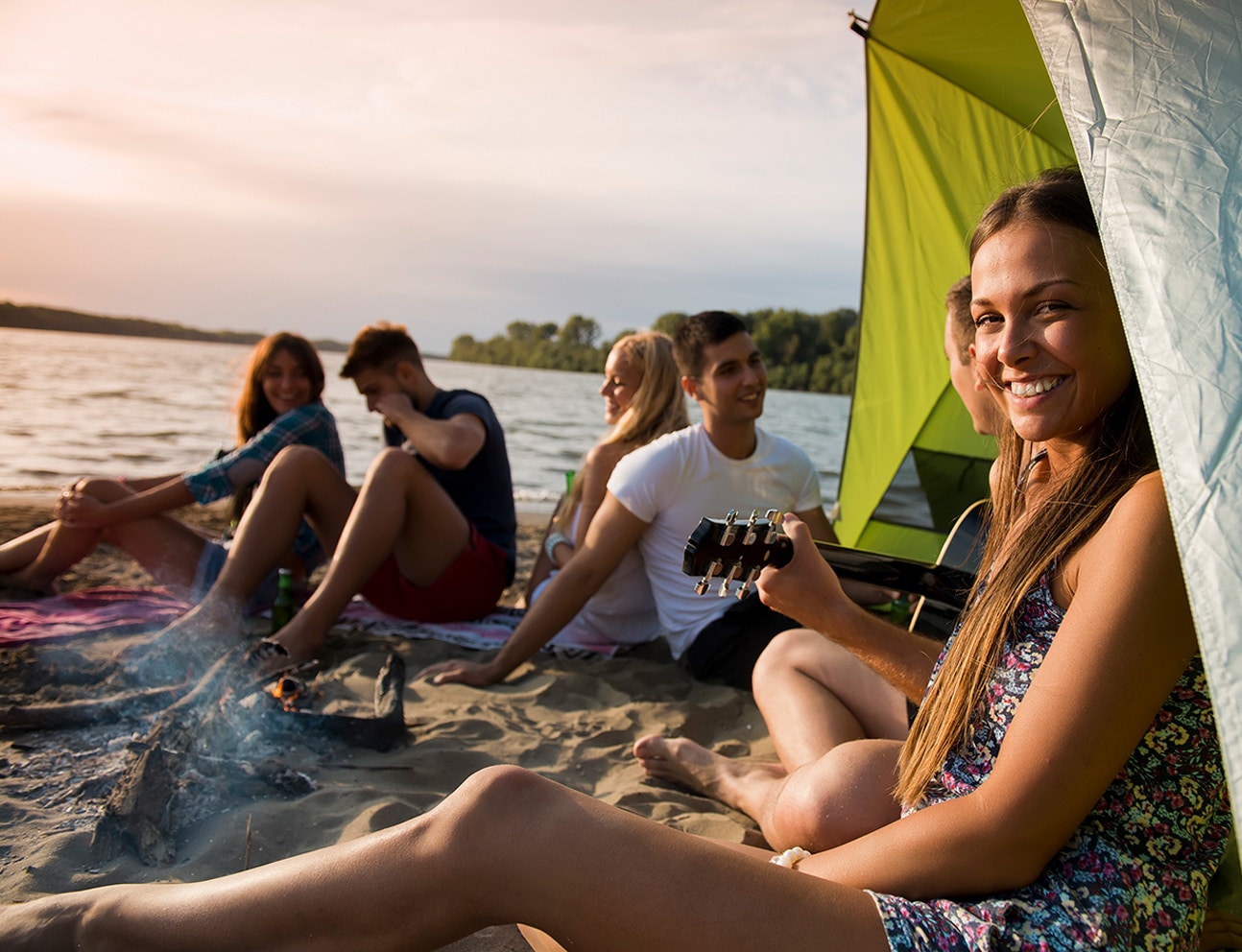
Prevent under-age drinking

Oral health
FREE general and specialist dental services are available for children and young people across the Central Coast. All children under 18 can access free public dental care once a parent or guardian signs the Child Dental Benefits Schedule (CDBS) bulk‑billing consent form.
Public dental services are available to children and young people who:
- live in the Central Coast Local Government Area
- are eligible for Medicare
- are under 18 years of age
- have a parent or guardian sign the CDBS bulk‑billing consent form
Contact the Oral Health Call Centre on 1800 679 336 for enquiries and appointments about dental services
Teen Disengagement & School refusal
Changes in routine can sometimes make students feel anxious, which might lead to missing school or refusing to attend. This can be challenging for parents and carers, who may wonder what steps to take and who to reach out to for support. Things you can do to support school engagement:
- Act early and seek help promptly.
- Listen with empathy to your child’s concerns.
- Praise and reward positive attendance behaviours.
- Consult your GP or School Counsellor if needed
Study and Exam Stress
As young people settle into high school, they may experience new study demands and moments of stress, especially around homework, assessments and exams. Building skills like time management, planning ahead and breaking tasks into manageable steps can help them feel more confident and in control.
Helpful resources for families and younger students include:
Family support
Looking after a child or young person can be busy and demanding, and it’s easy for parents and carers to put their own needs last. Prioritising your own health and wellbeing helps you stay energised, patient and connected, and it sets a positive example for your family. Support is available if you’re looking to build healthier routines, reduce stress or simply feel more supported in day‑to‑day life.
Carer support
A carer is a family member, partner, friend etc. who provides daily care and support to a person with a disability, medical conditions, mental illness or who are frail aged. Carers are unpaid; however, they could be eligible for Centrelink carer payments. There is a range of services and supports available to support people in their caring capacity.
Useful websites for young people, parents and carers
There are a number of other websites with helpful resources and information to support good health and wellbeing for young people.
Mental health and wellbeing
Raising Children Network, Teens 12–18 years – tips for parenting teens.
Interrelate – a team of experts, resources and programs in counselling, separation support, mental health and education.
Emerging minds – develops interventions, training, programs and resources in response to the needs of healthcare professionals, children and their families.
WayAhead – NSW based organisation providing mental health information, community programs and statewide support to help families feel informed and connected.
Physical activity
Find a skatepark near you. Skateboarding or rollerblading is not only fun, but a great way to add to the daily moderate physical activity minutes.
Explore local national parks and tracks.
Checkout the multiple outdoor gyms with fitness equipment you can use for free.
Follow the social media accounts of local youth organisations like headspace, Central Coast Council Youth Services and PCYC Bateau Bay or Umina Beach for free or low-cost teen activities and events.
Join a local sports team. Whether it’s soccer, basketball, or netball, team sports are a great way to stay fit and make new friends.
Healthy food and drinks
Healthy lunchboxes (Healthy Eating Advisory Service) – ideas on how to pack a lunchbox that kids will love.
Healthy recipes (Healthy Eating Active Living) – includes a Kids’ Lunch section.
Healthy lunch box examples – Get inspired with these nutritious packed lunch boxes.
Lunch box builder – ideas for foods from the 5 healthy food groups to build a healthy lunch box.
Teens and Food – practical tips for teens and families, including snacks, after-school eating and navigating busy schedules.
Maintaining Healthy relationships
Adolescence often brings new friendships and, at times, new relationships. Strong connections with family, friends, and community play a key role in supporting happiness and resilience. While conflicts are a normal part of growing up, ongoing unhealthy or harmful patterns should be addressed early.
Programs and courses – build your parenting skills and strengthen family relationships. Find courses in your community.
Lifeline – support in relationships.
Raising Children Network – communication and friendships.
Other pages you might be interested in